NaCzarter Team
Which number do you call when something happens on the water?
The emergency number for the water is 601 100 100. In Masuria it's answered by MOPR, the Masurian Volunteer Water Rescue Service. The general emergency number 112 always works too. Those two numbers are all you need to know. Save them in your phone before the cruise — ideally right now, because nobody's going to be googling them in a stressful moment. In 25 years of handing over yachts we've seen all kinds of situations, and one thing keeps repeating: crews who know who to call get out of trouble fast and without drama.
This guide is for beginner crews. No scare tactics. Masuria is a safe sailing area, the shore is almost always in sight, and help arrives quickly. There are just a few things worth sorting out in your head before you actually need them.
601 100 100, 112 and the RATUNEK app
601 100 100 is the water emergency number. In Masuria it puts you straight through to MOPR rescuers, who have bases in the main towns along the trail and know these lakes by heart. It's the shortest route to a rescue boat.
112 works always and everywhere. If you can't remember the MOPR number, call 112 and the operator will pass your report to the right services. It takes a moment longer, but it works.
Third thing: the RATUNEK app. Install it before the cruise — it takes two minutes. When you call for help, it sends the services your exact position. On a lake that's gold, because "we're somewhere on Śniardwy" helps nobody, and Śniardwy is big. With a position from the app, rescuers don't search — they head straight for you.
Warning masts: what the flashing lights over the lake mean
Around the Great Masurian Lakes there are warning masts with lights. The system is simple and it genuinely works:
- 40 flashes per minute is a warning. The weather is turning. You still have time, but don't waste it: reef the sails, plan a harbour, gather up loose stuff from the deck.
- 90 flashes per minute is an alarm. Seek shelter by the shore or in a harbour immediately. You do not finish your route — no "we'll just make it to Mikołajki". You take cover.
If you can't tell 40 from 90 by eye, there's a simple trick: the alarm looks jittery, almost like a strobe, while the warning is a calmer, steady pulsing. Whenever you see any flashing at all, glance at the sky and take it seriously. We covered how to read the sky and forecasts throughout the day in our guide on weather and safety in Masuria, and Masuria's most dangerous phenomenon in the piece on the white squall. Read both before your first solo cruise.
Before you call: three things
First: lifejackets on everyone. When things get tense, everybody puts on a lifejacket — no debate and no exceptions for "strong swimmers".
Second: count your crew. By name, looking at each person. You need to know for certain whether everyone is on board.
Third: if someone has gone overboard, the manoeuvre comes first, the phone call second. Man overboard means immediate action — we described it step by step in our article on the MOB manoeuvre. Someone else in the crew makes the call to the rescuers, in parallel, not instead of the manoeuvre.
And one bit of housekeeping for the whole cruise: keep your phone charged and in a waterproof pouch within reach, by the helm. Not at the bottom of a quarter berth under a pile of fleeces. In rain and spray, an ordinary phone can quit on you exactly when you need it most. A power bank on a yacht isn't a luxury — it's safety equipment.
What to say once you're calling
The dispatcher will guide the conversation, but have four things ready in your head:
- What happened. Short and specific: capsize, person in the water, injury, yacht taking on water.
- How many people are on the yacht and whether everyone is unhurt.
- Where you are. Name of the lake plus a reference point, for example "Boczne, at the entrance to the Kula Canal". Or a position from your phone or the RATUNEK app — that's the best option.
- Whether anyone is in the water.
Don't hang up first — the dispatcher may have more questions. And don't second-guess whether the situation is "serious enough" for a call. Rescuers would rather get one call too early than one too late. They say so themselves.
Situations and responses: a cheat sheet
| Situation | What to do | Who to call |
|---|---|---|
| Person in the water | MOB manoeuvre immediately, throw a lifebuoy, don't lose sight of the person. A second crew member calls in parallel. | 601 100 100 (MOPR) or 112 |
| Storm, 90-flash alarm | Lifejackets on everyone, sails dropped or deeply reefed, head straight for a harbour or the shelter of the shore. | Nobody, as long as you're in control of the yacht. When you stop being in control: 601 100 100 |
| Grounding or a breakdown with no danger | Lifejackets, count the crew, assess the situation calmly. Don't force the engine. | Your charter company (the number is in the yacht's documents); MOPR if the situation gets worse |
| Accident, injury | First aid, casualty in a safe spot, get an exact position ready. | 601 100 100 or 112; for a serious injury call 112 right away |
People first, yacht second
One rule puts everything in order: people first, gear second. A capsized Omega or a yacht on a shoal is nothing to be ashamed of — it's part of sailing and it can happen to anyone. A yacht can be pulled off, dried out and repaired. Don't risk your crew's health trying to "save the situation" on your own, and don't put off the call out of embarrassment. Nobody at the MOPR base is going to laugh — they handle calls like this every day, all season long.
Prevention, or how to avoid having to call at all
Most call-outs in Masuria come down to weather that "caught people by surprise". It rarely truly surprises anyone. Check the forecast in the morning before leaving port and keep an eye on it during the day. Reef early, on calm water, not in a squall — when and how, we covered in our guide on reefing sails. With a storm approaching, avoid open water — Śniardwy and Niegocin get genuinely unpleasant then. And if you want to learn to judge wind strength without instruments, read about the Beaufort scale on a lake. A crew that reefs before the squall watches it later from the harbour with a mug of coffee.
Frequently asked questions
What's the emergency number in Masuria? On the water it's 601 100 100, answered in Masuria by MOPR. The general number 112 always works too. Save both in your phone before the cruise.
What are those flashing lights over the lake? They're the warning masts of the alert system around the Great Masurian Lakes. 40 flashes per minute means a weather warning; 90 flashes per minute is an alarm: seek shelter in a harbour or by the shore immediately.
Does calling out MOPR cost anything? You don't pay for life-saving rescue. Don't calculate and don't delay the call — time matters, and rescuers would rather come out unnecessarily than too late.
What if your phone is dead or went overboard? Call for help from other crews — on the Masurian trail someone is almost always within sight. Signal clearly: slowly raise and lower your straightened arms held out to the sides, a well-known distress signal on the water, and use the whistle on your lifejacket. Ask them to call 601 100 100 and pass on your position.
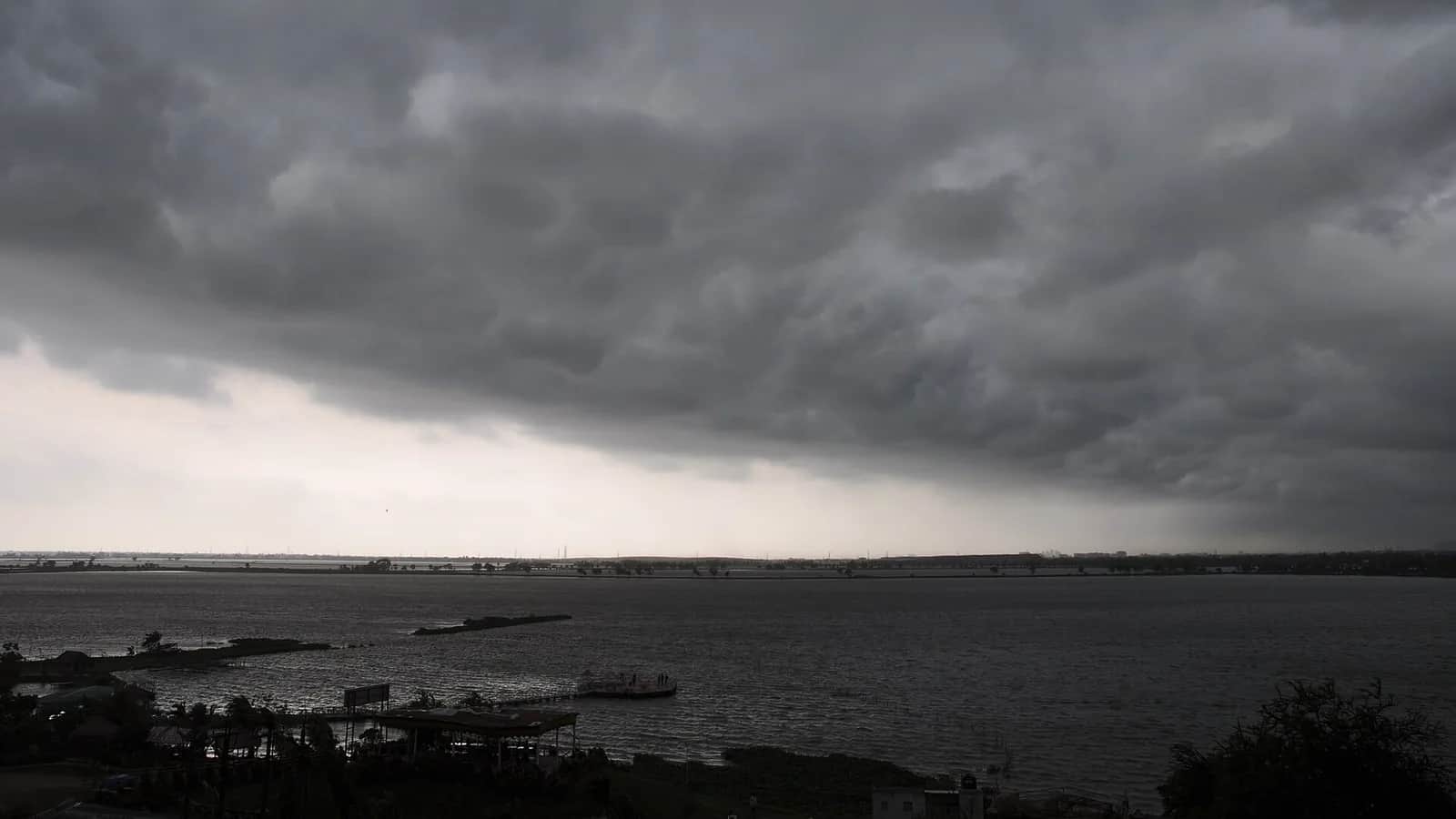
Cover photo: Biswarup Ganguly — CC BY-SA 3.0, via Wikimedia Commons